
No Comments
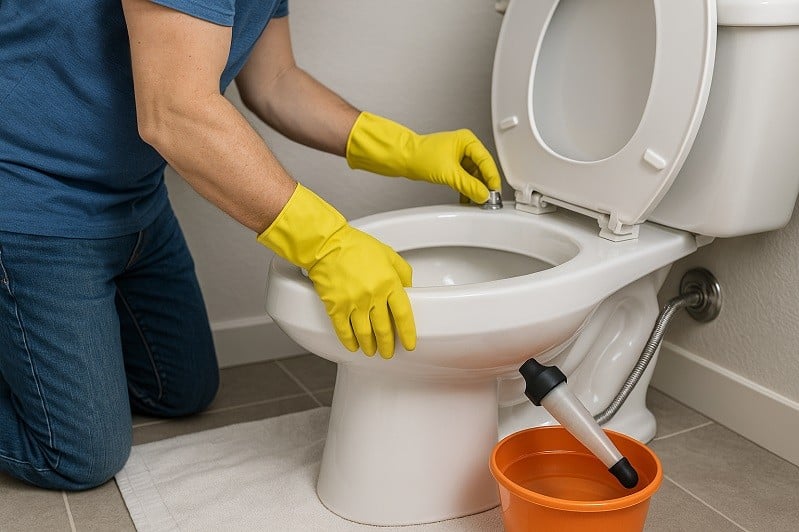
Toilet cleaning often begins with surface scrubbing, but draining the system is essential when aiming for a deeper clean or preparing for repairs. Knowing how to drain a toilet for cleaning prevents unnecessary mess, removes lingering odours, and provides access to hard-to-reach areas. Whether preparing for maintenance or improving hygiene, the process is straightforward with the right guidance.
This guide explains how to safely and thoroughly drain a toilet, from shutting off the water supply to managing waste removal. It also outlines key signs of more significant issues, such as blockages or slow drainage, and highlights when professional assistance may be necessary, especially for households in areas like Liverpool where older plumbing is common.
Why Draining a Toilet Matters
Cleaning vs Unclogging — Knowing the Difference
Draining a toilet isn’t always about dealing with blockages. While it’s a necessary step in some unblocking efforts, it’s primarily a preparation for deeper cleaning or planned maintenance. Understanding this distinction helps homeowners take the right approach — cleaning targets hygiene and odour, while unclogging addresses flow and functionality.
In cases of minor clogs, draining the toilet can also make plunging or snaking more effective. A dry bowl allows for better pressure control and prevents overflow. This distinction becomes critical when deciding between a DIY clean and more serious intervention for something like a blocked toilet in Liverpool, where local drainage infrastructure can vary between properties.
When Draining Becomes Essential
Toilets should be drained before using strong cleaning agents that require dry surfaces to be effective. The same applies when replacing parts such as flappers or fill valves. If water is left in the bowl or tank, it may interfere with cleaning agents or tools, reducing their impact and prolonging the process.
In properties with frequent plumbing issues, draining the toilet also allows early detection of underlying problems like persistent clogs or mineral build-up. For households experiencing slow flushes or backup, draining becomes a diagnostic tool as well as a cleaning step, guiding homeowners on whether a deeper inspection is needed.
Tools and Materials Needed
Basic Supplies for a Manual Drain
Draining a toilet by hand doesn’t require advanced tools, but having the right kit on hand makes the job quicker and more hygienic. The essentials include rubber gloves, a sponge or turkey baster, a small bucket, and a few absorbent towels. A plunger can also come in handy for removing any leftover water after the main draining is complete. These tools help control spills, protect skin from contaminants, and create a cleaner workspace.
Even without specialist plumbing gear, the process can be completed efficiently with patience. The goal is to remove both visible water and any that might sit below the waterline in the trap. For safety, it’s advisable to use gloves rated for chemical resistance and towels that can either be sanitised or safely disposed of after use.
Optional Gear for a Cleaner Process
Some homeowners prefer using a wet/dry vacuum to remove water from the bowl and tank. While not essential, this tool significantly speeds up the process and reduces contact with wastewater. These vacuums can safely suck out the last dregs of water and help clean corners that are otherwise difficult to reach manually. If one is available, it’s worth using — particularly if multiple toilets need servicing or if time is limited.
Another optional item is a disinfectant spray or toilet-safe cleaner for treating surfaces before and after the job. Once the toilet is drained, lingering bacteria and scale are easier to target with these products. To avoid chemical reactions, choose cleaners designed specifically for porcelain and plumbing systems. Disposable shoe covers, eye protection, and a face mask are also helpful when working in tight spaces or with older toilets prone to splashing or smells.
Step-by-Step: How to Drain a Toilet for Cleaning
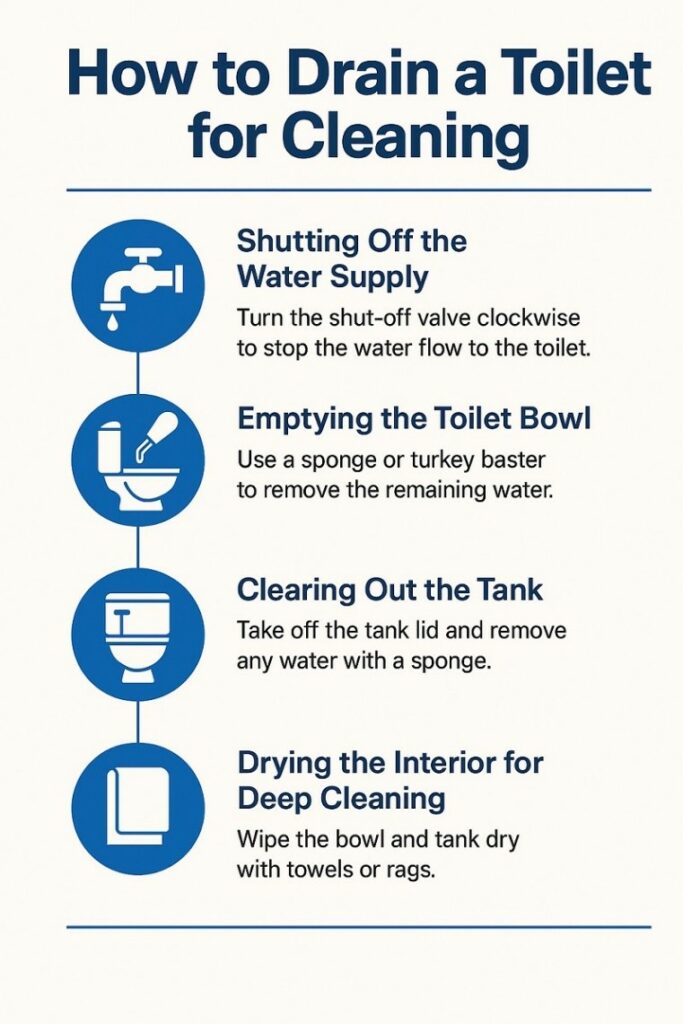
Shutting Off the Water Supply
Begin by locating the shut-off valve, usually found behind or to the side of the toilet, connected to the wall via a small pipe. Turn the valve clockwise until it stops — this will cut off the water supply to the toilet and prevent the bowl and tank from refilling. Once closed, flush the toilet to empty as much water as possible. Depending on the water pressure and model, one flush might remove most of the water from the tank and some from the bowl.
If water continues to trickle in after closing the valve, it may be faulty or partially jammed. In this case, gently wiggle the handle or turn the valve further to ensure a complete seal. If the valve doesn’t work at all, shut off the water supply to the house before continuing. A dry tank and bowl reduce splash risks, help cleaning agents work more effectively, and allow a better view of interior components for those performing a full maintenance check.
Emptying the Toilet Bowl
After the flush, use a sponge, cup, or turkey baster to remove the remaining water in the bowl. This step requires care to avoid spills, so work slowly and empty each scoop into a bucket. If using a sponge, wring it out thoroughly between uses and disinfect it afterwards. This part of the process can be the most time-consuming, especially with toilets that retain water in their traps — but it’s essential for a thorough clean.
For stubborn bowl water that won’t drain via traditional methods, tilt a small container or ladle into the base of the bowl and slowly lift the water out. Continue until only moisture remains on the porcelain. Wipe the interior dry with absorbent towels or cloths. At this stage, the toilet is ready for deep cleaning or inspection. Leaving even a small pool of water behind can dilute cleaning products and make the job harder.
Clearing Out the Tank
Once the bowl is empty, attention shifts to the tank. Start by removing the tank lid and setting it aside on a soft surface to prevent chipping. If the toilet has already been flushed, most of the water should be gone. Use a sponge or wet/dry vacuum to remove any remaining water, including from the corners and bottom of the tank. Tanks often retain small puddles under the float or around the flush valve — both of which need to be cleared to ensure a proper clean.
This is also a good time to inspect the internal components of the tank. If there are signs of wear, corrosion, or buildup on the float, fill valve, or flush chain, take note for future repairs. Wipe down the inside surfaces with a disinfecting cleaner suitable for toilet parts. Keeping the tank clean not only improves hygiene but also helps reduce odours and ensures better performance with each flush.
Drying the Interior for Deep Cleaning
Once all visible water has been removed from the bowl and tank, use clean, dry towels or rags to thoroughly dry the surfaces. This helps cleaning agents cling more effectively to the porcelain and allows better visibility for spotting stains or residue. Drying also makes it easier to apply treatments like descalers or mould removers, which often perform best on dry surfaces.
A dry toilet interior is especially important before applying paste-based or foaming cleaners, as water can dilute or wash away the active ingredients. Pay close attention to the underside of the rim and around the waterline in the bowl, as these areas tend to harbour build-up. Allow the toilet to air dry for several minutes if needed, especially in humid conditions. Once dry, proceed with any additional cleaning steps or maintenance tasks.
Common Problems During Draining
Water Refill Issues
Even after turning off the shut-off valve, some toilets continue to refill slowly due to faulty or worn seals. In older systems, mineral deposits can prevent the valve from fully closing, allowing a steady drip that refills the tank or bowl. This not only prolongs the draining process but also wastes water. If this occurs, double-check the valve position, and consider replacing the washer or valve entirely if the problem persists.
In more severe cases, the internal fill mechanism inside the tank might be malfunctioning, drawing water in even with external valves shut. To confirm the issue, listen for a faint hissing or dripping sound and observe any gradual increase in water level. If the toilet continues to refill despite proper shutoff, it may be time to consult a plumber to avoid further complications.
Residual Waste and Odour
Once the water is removed, residual waste at the bottom of the bowl can create lingering odours. This is common in toilets that haven’t been cleaned regularly or that have been out of use. Scrubbing with a toilet brush and a disinfectant cleaner is often enough to remove light staining, but in more stubborn cases, you may wonder, will soda crystals unblock a toilet? A vinegar and baking soda solution can also help loosen grime without damaging the porcelain.
To tackle stronger odours, especially after draining a toilet in a household with multiple users, use a targeted cleaner with odour-neutralising properties. Avoid bleach if the toilet connects to a septic system, as it can upset the balance of bacteria. Ventilating the room with an open window or fan also helps. If smells persist despite cleaning, it may signal deeper issues with the drain — possibly even a blocked drain in Liverpool properties where older piping is more vulnerable to clogging.
When Draining Doesn’t Work — What Next?
Sometimes, despite all efforts, the water refuses to leave the toilet bowl or tank. This often points to a deeper issue, such as a clog in the trap or a blockage further down the pipe. Before taking apart the system, double-check that the water valve is completely shut off and that no debris is obstructing the flush mechanism. If everything appears normal and the water still won’t drain, it’s likely time to consider more advanced techniques.
For those in older properties or areas with frequent plumbing problems, like Liverpool, the issue might not be isolated to the toilet. A full drainage system check may be required to rule out shared line obstructions or collapsed pipes. In these situations, a professional service is recommended — especially if the problem involves a Blocked Toilet Liverpool scenario where multiple fixtures are affected. Acting early can prevent wastewater backup or structural damage to the home.
How to Unclog a Toilet Without Overflowing
Spotting Early Warning Signs
Recognising the signs of a clog before flushing is key to avoiding overflows. Slow draining water, gurgling sounds, or bubbles in the bowl usually indicate trapped air or a blockage in the line. If the flush handle has to be held down longer than usual, that’s another warning signal that the system isn’t flowing freely. In these cases, don’t flush again — doing so increases the risk of overflow and potential water damage.
Instead, assess the water level and stop any attempt to use the toilet until the issue is resolved. Households in Liverpool with ageing pipework often experience recurring problems, so keeping track of these early signs helps reduce disruption. A slow flush once or twice might not seem serious, but if it’s happening regularly, the problem likely extends beyond the toilet itself.
Safe DIY Techniques That Don’t Damage Pipes
If a clog is suspected but water hasn’t overflowed yet, start with a plunger — ideally a flange model designed for toilets. Create a firm seal around the drain opening and use steady, forceful plunges to dislodge the blockage. Avoid quick or erratic movements, as they can splash contaminated water or make the problem worse. If plunging doesn’t work, try adding hot (not boiling) water to the bowl and letting it sit for 15–20 minutes to soften the obstruction.
For tougher clogs, a toilet auger (also known as a closet snake) can reach deeper into the trap. Feed the flexible cable into the drain, crank the handle gently, and withdraw it slowly to remove any blockage. Avoid using chemical drain cleaners, as they can corrode internal parts and pose a risk to pets and humans. If multiple methods fail, or if the problem recurs, the safest move is to contact a local expert who knows how to unclog a toilet efficiently and without damage to the plumbing.
Links Between Draining and Blocked Drains
Warning Signs of a Blocked Drain in Liverpool
Gurgling noises, foul odours, and slow-flowing water after draining a toilet can indicate a deeper issue — often linked to a blocked drain Liverpool where underground pipes may be cracked or clogged with debris. These issues can affect multiple fixtures, not just the toilet.
Routine checks and awareness of these signals are vital. If symptoms persist, it’s worth getting a camera inspection to confirm the problem’s location before it worsens.
How Routine Maintenance Prevents Major Issues
Flushing the system regularly, avoiding non-flushable items, and using enzyme-based cleaners help prevent drain build-up. Draining a toilet for cleaning also gives a clear view of potential problems like mineral deposits or early-stage blockages.
By combining this with occasional professional inspections, households reduce the risk of emergency plumbing calls and protect long-term drainage health.
Professional Support and When It’s Needed
DIY methods are fine for simple jobs, but if drainage issues recur despite regular cleaning, it’s time to call in the experts. Professional drainage companies have the tools and training to resolve deep blockages without damaging pipes or fixtures.
For properties experiencing regular disruptions or foul smells even after draining, expert help ensures a proper fix — not just a short-term patch.
Hygiene Tips After Toilet Draining
Safe Disposal of Wastewater
Collected water should be disposed of down a utility sink, not poured into garden drains or onto surfaces. Always disinfect the bucket and cleaning tools afterwards to prevent bacteria from spreading.
Never reuse sponges or towels used for draining — either disinfect them thoroughly or discard them responsibly.
Cleaning Equipment and Disinfecting Surfaces
After draining, wipe all touched surfaces with antibacterial cleaner, especially flush handles, tank lids, and nearby tiles. Wash hands thoroughly, even when wearing gloves, and clean floors if spills occurred.
Ventilating the space for 10–15 minutes post-cleaning helps clear any airborne contaminants.
Protecting Health During Regular Maintenance
Using gloves, masks, and protective eyewear during the process minimises exposure to germs. These simple precautions are especially important for households with children or vulnerable individuals.
Routine toilet maintenance, including full drains, supports a healthier environment and prevents issues from building up unnoticed.
Final Thoughts on Toilet Drainage and Upkeep
Keep It Clean, Not Just Clear
Draining a toilet properly sets the stage for better cleaning and prevents problems later. It’s a simple task that supports hygiene and can catch hidden issues before they escalate.
Ignoring signs of drainage trouble can lead to costly repairs. A bit of regular maintenance goes a long way in protecting both health and home.
Regular Checks and Why They Matter
Even if the toilet seems fine, occasional draining allows inspection of parts that are otherwise hidden. It also gives a chance to clean areas most people ignore — behind the tank, under the rim, and inside the trap.
Add it to the seasonal cleaning routine for peace of mind and fewer surprises.
Professional Services vs DIY — When to Step Back
For most households, DIY draining is manageable with a few tools and some patience. But when issues stretch beyond the bowl or occur repeatedly, expert help saves time and prevents damage.
Whether dealing with a simple clean or a blocked toilet in Liverpool, having a professional contact ready is always a smart move.
FAQs
How do you drain a toilet for cleaning?
Turn off the water supply valve, flush the toilet, then remove any remaining water from the bowl and cistern using a sponge, cup, bucket, or wet/dry vacuum.
How do I remove water from a toilet bowl?
The easiest way to remove water from a toilet bowl is to flush after turning off the water supply, then soak up the remaining water with a sponge or scoop it into a bucket.
How do you empty a toilet bowl completely?
To empty a toilet bowl completely, shut off the water, flush once, then remove the leftover water from the base of the bowl using a sponge, towel, or wet/dry vacuum.
How do I drain water from a toilet bowl for cleaning?
After turning off the water valve, flush the toilet to lower the water level. Then use a sponge or small container to remove the remaining water before applying cleaning products.
What is the best way to remove water from a toilet bowl?
A wet/dry vacuum is the quickest method, but a sponge and bucket work well for most homes. Always wear gloves and disinfect tools afterwards.
How do you drain a toilet cistern?
Turn off the water supply, flush the toilet, then remove any leftover water from the cistern with a sponge or wet/dry vacuum. Keep the cistern lid somewhere safe while working.
Can I empty a toilet bowl without turning off the water?
You can remove some water manually, but the bowl may refill if the supply is still on. Turning off the water first makes the job cleaner, safer, and easier.
Why won’t my toilet bowl drain?
If the toilet bowl will not drain, there may be a blockage in the trap, waste pipe, or main drain. Avoid repeated flushing, as this can cause overflow.
How do I clean toilet pipes after draining?
You can flush the pipes with warm water and use a toilet-safe cleaner or enzyme-based cleaner. Avoid harsh chemical drain cleaners, especially if the toilet is already slow or blocked.
When should I call a plumber for a toilet that will not drain?
Call a plumber or drainage specialist if the toilet keeps filling, drains slowly, smells bad, backs up, or affects other fixtures. These signs may point to a blocked drain or deeper pipe issue.
Should I turn off the water before draining a toilet?
Yes. Turning off the water supply prevents the toilet from refilling while you drain the bowl or cistern, making the cleaning process easier and reducing the risk of spills.
Can I use a wet/dry vacuum to drain a toilet?
Yes, a wet/dry vacuum can remove water from the toilet bowl and cistern quickly. Make sure the vacuum is designed for liquid collection before using it.
What should I do after draining a toilet?
Dry the bowl and cistern thoroughly, clean the surfaces with a suitable toilet cleaner, and disinfect any tools used to remove the water before storing or disposing of them.
Is it safe to use cleaning products in an empty toilet?
Use only products suitable for toilets and follow the label instructions. Never mix bleach with acidic cleaners or other chemicals, as this can create dangerous fumes.