
No Comments
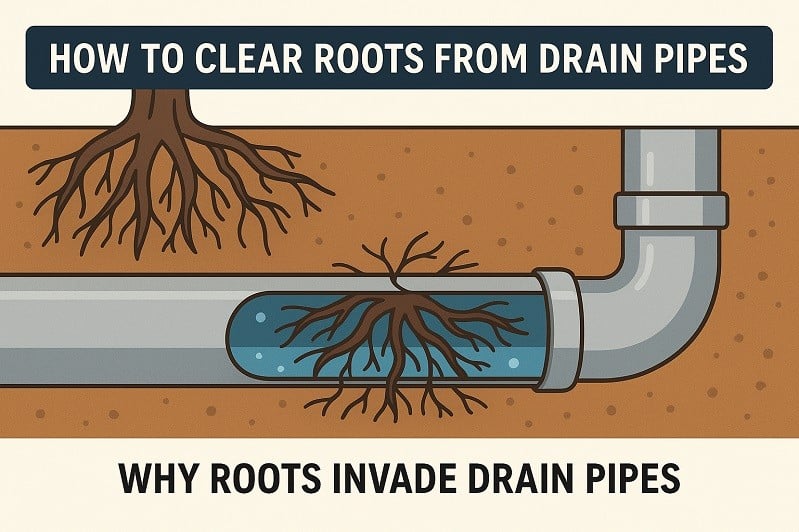
Why roots invade drain pipes
Tree roots naturally seek out moisture and nutrients, making drain pipes an ideal target. Even the smallest crack or joint in an underground pipe can attract roots, as they sense the water flowing through. Once they find a way in, roots quickly expand, creating a dense network that blocks water flow and traps debris. Over time, this growth becomes more aggressive, often leading to serious obstructions and even structural damage to the pipes themselves.
In urban areas with older drainage systems, this problem is particularly common. Many homes and businesses rely on clay or concrete pipes, which are more prone to cracking and joint failures. As trees grow, their roots extend further in search of resources, increasing the likelihood of encountering these vulnerable pipes. Recognising this natural behaviour is the first step in preventing costly repairs and maintaining a healthy drainage system.
Signs roots are causing blockages
The earliest signs of root intrusion often go unnoticed until a significant blockage occurs. Water draining more slowly than usual is a classic indicator, hinting that something is obstructing the flow. Over time, small root hairs develop into thicker clusters, gradually worsening the problem. Homeowners might also notice water backing up into sinks, baths, or even toilets, indicating a severe restriction in the pipes.
Another clear sign is the presence of lush, unusually green patches in the garden. These spots suggest that roots are drawing extra nutrients and moisture from a leak below. In some cases, unexpected gurgling sounds from drains or an increase in pest activity around pipe outlets can also signal a root problem. Staying alert to these early warnings helps avoid sudden emergencies and costly repairs later.
Risks of ignoring root intrusion
Leaving roots to grow inside pipes can lead to extensive and expensive damage. As roots expand, they place increasing pressure on pipe walls, eventually causing cracks or complete collapses. This structural failure can result in significant leaks underground, undermining soil stability around the property. Repairing these damages is often far more costly than early intervention.
Unchecked root growth can also cause flooding inside and outside the property. Blocked pipes overflow, leading to water damage in basements, gardens, or even living spaces. Stagnant water fosters mould growth and attracts pests, creating serious health hazards. Addressing root problems promptly not only protects the plumbing system but also prevents secondary issues that can disrupt daily life.
Health hazards
When water stagnates due to blockages, it becomes a breeding ground for bacteria and other harmful pathogens. This contaminated water can seep into living spaces, exposing residents to potential health risks. In severe cases, raw sewage might back up into the property, introducing dangerous bacteria that threaten human health.
Moreover, damp conditions caused by leaks encourage mould growth, which can aggravate respiratory issues. People with asthma or allergies are particularly vulnerable. By dealing with root intrusion early, homeowners and businesses can maintain a safe and hygienic environment, reducing health risks and protecting the wellbeing of everyone on the premises.
Early warning signs of root blockage
Slow drainage is often the first clue that something is wrong below ground. When water takes longer to leave sinks, baths, or showers, it usually points to an obstruction forming inside the pipes. At first, this might seem like a minor inconvenience, but it is often the start of a larger root-related problem. Homeowners might attempt to clear it with plungers or chemical drain cleaners, yet these measures rarely address the underlying cause.
Another giveaway is gurgling noises from drains and toilets. These sounds occur when trapped air escapes as water struggles to pass through narrowed sections filled with roots. Over time, these noises become more frequent and pronounced, signalling that the blockage is becoming more severe. Recognising these sounds early can help avoid a full-scale backup that may cause interior flooding.
Unpleasant odours present another early red flag. When organic material gets trapped behind root masses, it starts to decay and produce foul smells. These odours often rise up through plugholes and floor drains, making certain rooms uncomfortable. Detecting these smells and linking them to possible root intrusion can prompt faster intervention. Additionally, lush patches of grass or plants directly above sewer lines can suggest an underground leak feeding the vegetation.
How to clear roots from drain pipes
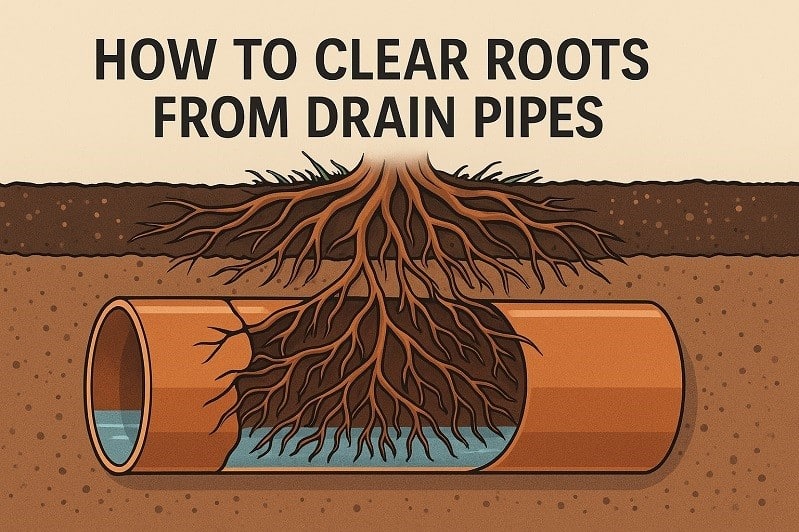
Mechanical cutting remains one of the most effective ways to clear roots from drain pipes. Specialised cutting heads attached to drain rods or augers break apart roots and flush the debris away. While this method clears immediate blockages, it does not prevent roots from regrowing, so ongoing monitoring is essential. Mechanical methods are popular because they provide a quick solution, especially in emergency situations where drainage is completely obstructed.
Chemical treatments offer another approach. Certain foaming root killers penetrate the entire pipe and reach areas that mechanical tools might miss. These products dry out and kill root structures inside the pipe without harming surrounding trees or plants. However, chemicals should be used cautiously and usually as part of a broader maintenance plan rather than a stand-alone fix. Regular follow-up applications help keep pipes clear after initial root removal.
Hydro jetting involves blasting water at high pressure through the pipes to dislodge and wash away roots and other debris. This method is highly effective and can restore flow quickly, though it requires professional equipment and expertise. If the pipe is severely damaged or weakened, hydro jetting might not be suitable, and pipe replacement should be considered. Replacing damaged sections with modern, root-resistant materials can offer a long-term solution, stopping further intrusion.
When to consider pipe replacement
When roots have caused extensive structural damage to the pipe walls, repairs may no longer be sufficient. Sections of pipe that collapse or crack repeatedly need to be replaced to prevent recurring blockages and leaks. Replacing pipes allows for the installation of modern materials that are less vulnerable to root intrusion, such as PVC or HDPE.
In severe cases, a full replacement of the affected drainage line may be the only viable option. Though this is a more significant investment, it offers peace of mind and reduces the risk of emergency repairs. Long-term, this approach can also improve the overall efficiency of the drainage system and prevent costly property damage from ongoing leaks and flooding.
Professional help vs DIY
DIY methods, while tempting, often fail to provide a permanent solution to root problems. Tools available to homeowners generally lack the power or reach needed to remove thick root masses thoroughly. Chemical treatments sold in shops may offer temporary relief but rarely address deeper or more aggressive intrusions. In many cases, these approaches only push the problem further down the line, leading to repeat blockages and additional costs.
Professional services offer more comprehensive solutions. A drainage specialist can carry out a camera inspection to locate the exact source of the blockage. They then use advanced tools, such as mechanical cutters and hydro jetting equipment, to clear the pipes fully. Professionals also identify structural weaknesses that may need repair or replacement, helping prevent future intrusions. Using an experienced service, such as a Drain Unblocker Liverpool team, ensures safe and effective root removal while reducing the risk of unexpected issues down the road.
Advantages of using a Drain Unblocker Liverpool service
Choosing a professional drain unblocker brings peace of mind. Experts work efficiently, often resolving blockages in a single visit. They understand local conditions, such as the types of trees commonly causing problems in Liverpool and the specific pipe materials used in different neighbourhoods. This local knowledge speeds up diagnosis and repair, reducing disruption.
In addition, a professional service typically offers guarantees or fixed pricing, adding transparency and financial security. Many provide emergency support 24/7, so homeowners and businesses are not left dealing with severe backups alone. Partnering with a reliable drain unblocker also makes ongoing maintenance easier, as regular checks can catch minor issues before they escalate. This proactive approach protects the property and keeps everything flowing smoothly.
Preventing future root problems
Regular inspections help identify early signs of root intrusion before they cause serious damage. Many drainage specialists recommend annual checks, particularly for properties surrounded by mature trees. Inspections with a camera allow for precise monitoring of potential trouble spots and offer peace of mind to property owners.
Installing root barriers is another effective measure. These physical barriers redirect roots away from vulnerable drainage lines, protecting pipes from future attacks. While this solution requires some initial groundwork, it provides a strong, long-term defence against root intrusion. Paired with pipe liners — sleeves inserted inside existing pipes to seal cracks — root barriers help create a layered protection system. Together, these measures significantly reduce the likelihood of future blockages and minimise costly repairs.
How to clean drain pipes after root removal
Once roots have been cleared, How to clean drain pipes is essential to restore full functionality and prevent immediate re-blockages. High-pressure water jetting is one of the most effective cleaning methods, flushing out remaining debris and small root fragments that could trigger future problems. This technique also helps remove any build-up of grease, scale, or sediment, creating a clear path for water to flow freely.
After mechanical or chemical root removal, a thorough cleaning ensures that no hidden obstructions remain. It also allows a drainage specialist to inspect the internal pipe condition more accurately. Any unnoticed cracks or weak points can be spotted and addressed promptly, reducing the risk of further issues. Consistent cleaning not only improves pipe performance but also extends the life of the entire drainage system.
Routine maintenance products can also help keep pipes clean. Enzyme-based drain cleaners, used periodically, break down organic build-up without causing damage to pipes or harming the environment. These products maintain the cleanliness of pipes between professional cleanings, helping prevent minor blockages from escalating into serious clogs. Incorporating these treatments into a regular maintenance schedule provides an added layer of protection against future root growth.
Products to maintain clear pipes
Certain products help maintain pipe health after roots have been cleared. Regularly using mild, biodegradable cleaning solutions prevents soap scum, grease, and small debris from accumulating. These treatments are gentle on both the plumbing system and the environment, making them a safer choice for ongoing use. Combined with routine water flushing, they support smoother flow and reduce the chance of future clogs.
Root control chemicals can also be applied as a preventative measure. These treatments discourage roots from re-entering pipes by creating an environment they find inhospitable. Used correctly and in line with professional advice, they act as a valuable part of a wider prevention strategy. Investing in maintenance products and applying them consistently helps ensure that pipes remain free from blockages long after major root removal.
Costs and long-term savings
The cost of clearing roots varies depending on the severity of the intrusion and the length of pipe affected. On average, homeowners can expect to pay between a few hundred and a few thousand pounds, particularly if advanced methods like hydro jetting or partial pipe replacement are required. While these figures might seem high, the expense is often far less than the cost of repairing extensive property damage caused by untreated blockages.
Preventative measures, though an additional upfront investment, provide long-term savings. Regular inspections, root barriers, and routine maintenance reduce the likelihood of emergency repairs and property flooding. Avoiding repeated blockages saves both money and stress over time. Investing in prevention helps protect property value and ensures that drainage systems operate effectively for years to come.
FAQs about root removal from drains
Can roots grow back after removal?
Yes, roots can regrow if underlying entry points are not properly sealed or if preventative measures are not taken. Even after thorough cutting or chemical treatment, roots often return to the same moisture source. Installing root barriers and using chemical deterrents help prevent regrowth. Regular inspections catch new growth early, reducing the chance of severe blockages in the future.
Is root removal covered by insurance?
Whether insurance covers root removal depends on the policy. Many home insurance policies exclude damage caused by gradual root intrusion, considering it a maintenance issue rather than sudden damage. However, if root growth causes a sudden break or collapse resulting in flooding, some policies might cover the resulting damage. It’s wise to check policy details and consider discussing additional cover options with the insurer to avoid unexpected costs.
How often should pipes be checked?
Annual inspections are generally recommended, particularly for properties with large trees nearby or older pipe systems. Regular checks help detect small cracks or early signs of root intrusion before they escalate into major problems. For high-risk properties, more frequent inspections might be beneficial. Staying proactive avoids emergencies and keeps repair costs manageable over the long term.