
No Comments
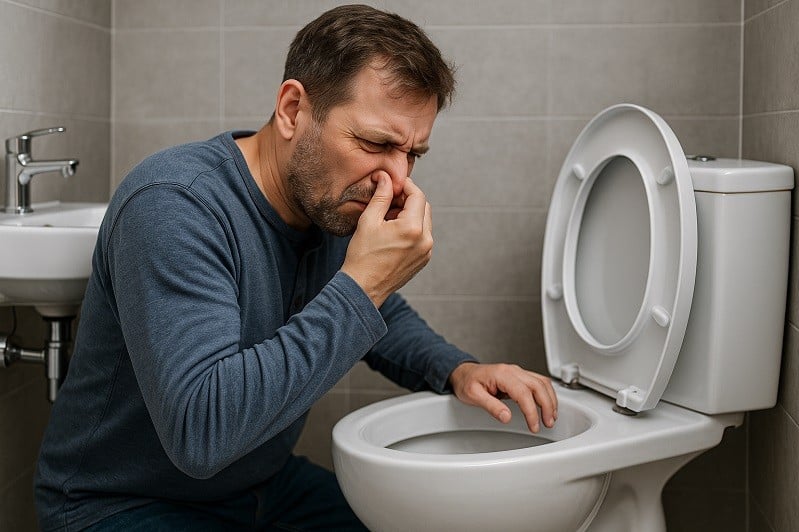
A sewer smell in house settings can be both distressing and persistent. It often hints at deeper plumbing issues that need swift attention. Whether it’s a faint odour or a strong stench, identifying the root cause early helps prevent long-term damage and discomfort.
Understanding the common sources of these odours is essential before jumping to solutions. While some causes can be handled easily at home, others may require the expertise of a Drain Unblocker Company. This guide covers everything from causes to prevention, offering practical steps for quick and lasting relief.
What Should You Check First When Your House Smells Like Sewer?
If you notice a sewer smell in your house, the first step is to work out where it is coming from. Start by checking the drains, toilets and other plumbing fixtures in the area where the smell seems strongest. If the smell is coming from a rarely used sink, shower or floor drain, run some water through it to see whether this helps.
It is also worth checking around the base of your toilet for any dampness, unusual smells or movement, as a damaged seal can allow sewer gases to escape. Pay attention to drains that are slow to empty or make gurgling sounds, as these can be signs of a blockage further along the pipework.
If the smell is present in several rooms, or you notice damp patches or signs of leaking around the pipework, the problem may be further into your drainage system. When a simple check does not reveal the cause or the smell keeps coming back, a professional drainage inspection can help identify the problem before it becomes more serious.
Common Causes of Sewer Smells in Homes
Dry P-Traps and Floor Drains
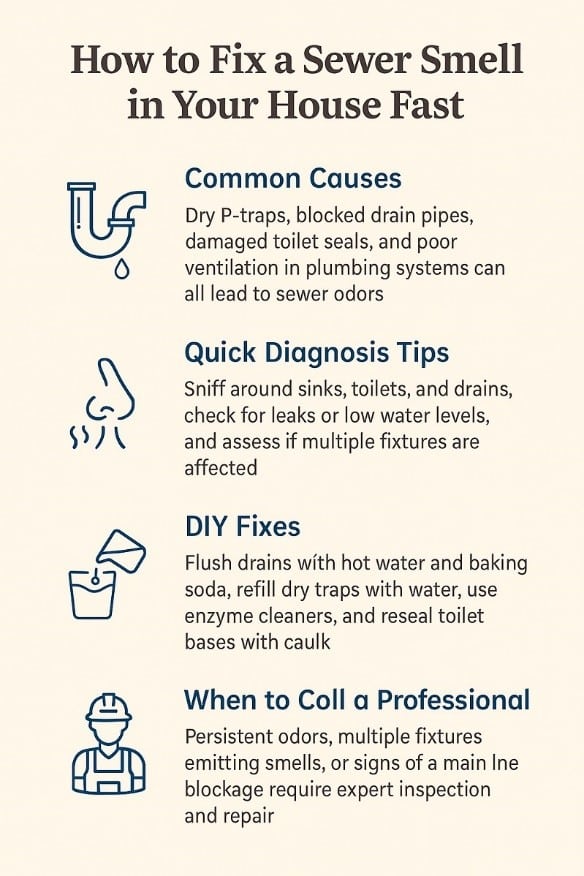
P-traps are the curved sections of pipes beneath sinks, showers, and floor drains. These traps are designed to hold water, forming a seal that blocks gases from travelling up through the drain and into the home. When they dry out—especially in infrequently used areas—the seal breaks and allows sewer gases to escape.
This is one of the most frequent causes of odours in unused rooms or properties left vacant for a while. A simple way to identify this is by running water into every drain to see if the smell dissipates. If it does, dry P-traps were likely the issue.
Blocked or Cracked Drain Pipes
Blocked pipes are a direct invitation for organic matter to build up, break down, and release foul-smelling gases. Food waste, hair, and soap scum can all lead to partial or complete blockages that eventually emit unpleasant odours.
Cracked pipes, on the other hand, may leak water and gas beneath floorboards or within walls. These types of damage can be hard to spot but often cause lingering smells. It’s important to inspect areas near the source of the smell for signs of damp patches or water damage.
Damaged Toilet Seals
Toilets are sealed to the floor with a wax ring or rubber gasket. If this seal is compromised—either through age, incorrect installation, or movement—sewer gases can leak into the bathroom. The result is a constant bad smell, particularly after flushing.
These seals should create an airtight connection between the toilet and the drainpipe. Any break in that seal, even a minor one, can cause odours. While toilet blockages can cause similar drainage issues, a damaged seal can allow sewer gases to escape even when the toilet is flushing normally. Look for wobbling in the toilet base or visible gaps as signs that the seal needs replacing.
Ventilation Issues in Plumbing
Plumbing systems rely on vent stacks to release gases and balance pressure. When these vents are blocked—by leaves, animal nests, or debris—it can disrupt the flow and force gases back into the house through the drains.
Poorly vented systems may also create a vacuum effect, pulling water out of P-traps and breaking the gas seal. If multiple fixtures are affected, a blocked or faulty vent is often to blame. These issues usually require a professional to inspect and clear the vent.
Quick Diagnosis Tips for Homeowners
Sniff Test Around Key Fixtures
A targeted sniff test can help narrow down the location of the sewer smell in house interiors. Begin with sinks, showers, toilets, and floor drains. If the smell is stronger near a specific fixture, that’s often where the issue lies.
It’s important to check both upstairs and downstairs if the house has multiple levels. A consistent odour near a particular bathroom or utility area can signal a localised problem such as a dry trap, minor blockage, or faulty seal.
Check for Visible Leaks or Water Levels
Look around the base of toilets, under sinks, and along exposed pipework. Even a slow drip can point to trouble with seals or connections. If a drain has low or no standing water in the trap, it’s likely letting gases escape.
Water levels in toilet bowls should also be monitored. A sudden drop could indicate siphoning from ventilation issues or a blockage in the system. Restoring water in the trap may be a short-term fix, but the root cause still needs addressing.
Signs the Issue is in the Main Line
If more than one drain smells or multiple fixtures across the house are affected, the issue could stem from the main sewer line. Slow drainage, gurgling sounds, and water backing up are also strong indicators.
Main line issues usually require professional help due to the complexity and equipment needed to investigate properly. Ignoring them can lead to severe plumbing failures and extensive property damage.
DIY Fixes to Eliminate the Smell
Flush Drains with Hot Water and Baking Soda
Pouring hot water followed by baking soda and vinegar down smelly drains is a widely recommended home remedy. The mixture helps dislodge minor blockages and neutralise odours caused by bacteria and organic waste.
If you’re wondering, “will soda crystals unblock a toilet?”, they may help with minor blockages, but they are not suitable for every type of blockage.
Let the mixture sit for 10–15 minutes before flushing with hot water again. This method is especially effective for kitchen sinks or bathroom drains used less frequently.
Refill Dry Traps with Water
If a drain hasn’t been used in a while, simply pouring water into it may be all that’s needed. Adding a tablespoon of vegetable oil afterward can help slow down evaporation, keeping the water barrier intact for longer.
This is a quick and effective solution for guest bathrooms or basements where drains are rarely used. Keep a monthly schedule to run water into these fixtures to maintain the seal.
Use Enzyme Cleaners for Organic Buildup
Enzyme-based cleaners offer a gentle yet effective way to break down organic matter without using harsh chemicals. These biological agents digest the material causing the blockage, helping to remove the source of the smell naturally over time.
Apply the cleaner at night or during a period of low water use, giving it time to work undisturbed. This method is ideal for regular maintenance, particularly in bathrooms and kitchens where debris accumulates quickly.
Seal Toilet Bases with Fresh Caulk
Cracked or missing caulk around the base of the toilet can let smells escape, especially if water seeps underneath and begins to stagnate. Resealing the base with silicone caulk helps lock out odours and moisture.
Make sure the area is dry and clean before applying new sealant. Once done, give it at least 24 hours to set fully before using the toilet again. This is an easy fix that can make a noticeable difference if smells persist in the bathroom.
When to Call a Professional
Persistent Odours After DIY Attempts
If home remedies don’t resolve the issue within a few days, the problem is likely more serious than a minor blockage or dry trap. Persistent smells suggest deeper pipework damage, collapsed drains, or ventilation problems.
This is the point where a qualified drainage professional should be consulted. They’ll use specialist tools like CCTV inspection cameras to pinpoint the problem without unnecessary digging or disruption.
Multiple Fixtures Affected
When smells come from more than one room or fixture, the issue is rarely isolated. It often signals a problem in the main waste line, which can be dangerous if left unaddressed. A full property inspection is advised in these cases.
Professional teams can assess the entire drainage system and carry out targeted repairs or replacements. It’s a worthwhile investment to protect the property from further damage and keep the air quality safe indoors.
Signs of a Main Line Blockage
Frequent clogs, gurgling drains, or water backing up into the bath or sinks suggest a blockage in the main line. These blockages are often caused by tree roots, flushed non-biodegradable items, or collapsed pipes.
Attempting to resolve this without proper equipment can worsen the problem. Drainage specialists are equipped to clear the line using high-pressure water jetting or root cutting tools, depending on the cause.
Drain Unblocking Services in the North West
Drain Unblocking in Wirral
For residents experiencing drain smelling problems in Wirral, local unblocking services provide fast response and reliable solutions. Whether it’s a kitchen sink, bathroom pipe, or outdoor drain, trained teams can diagnose and clear the issue with minimal disruption.
Many providers in the area offer 24/7 emergency cover, ensuring smells and blockages are dealt with before they worsen. Choosing a service with transparent pricing and positive customer reviews ensures confidence in both the work and the cost.
Drain Unblocking in Warrington
In Warrington, blocked drains are a common cause of indoor odours and slow drainage. Expert teams are available to clear pipes using high-pressure jetting or rotary mechanical tools, depending on the cause and location of the problem.
These services are especially helpful for properties affected by repeat issues or shared drains. A thorough inspection can highlight underlying causes, such as root intrusion or pipe misalignment, offering a lasting fix rather than a temporary solution.
Preventing Sewer Smells Long-Term
Regularly Use Infrequently Used Drains
Drains that aren’t used regularly—such as those in utility rooms or guest bathrooms—can dry out over time. This allows sewer gases to rise into the house and cause unpleasant smells. Running water through each fixture weekly helps prevent this.
Adding a small amount of vegetable oil after running water into the trap can slow evaporation. This creates a longer-lasting seal, particularly useful in spaces that remain empty for extended periods.
Schedule Routine Plumbing Inspections
A scheduled inspection every year or two can catch problems before they turn into full-blown blockages or leaks. Professionals can spot early signs of wear, corrosion, or misalignment, reducing the chance of sudden issues arising.
Inspections are especially recommended after heavy rain or if the property is older. Having peace of mind that the drainage system is functioning properly can save money and stress in the long run.
Install Drain Screens and Covers
Fitting drain screens in showers, baths, and sinks is a straightforward way to stop debris from entering the system. Hair, food particles, and soap residue are common culprits of slow drainage and smells. A simple mesh cover can reduce the risk significantly.
Outside, fitting covers over drains prevents leaves and other outdoor debris from entering gullies and downpipes. This helps maintain flow and keeps organic material from decomposing in the system, which can be a hidden source of odour.
Final Thoughts on Handling Drain Smelling at Home
Smells that resemble sewage inside a property can be unpleasant and worrying. They’re often linked to manageable causes, but ignoring them can lead to deeper damage and higher costs. Recognising the signs early, such as slow drainage, gurgling pipes, or fluctuating water levels in toilets, is essential to preventing a minor nuisance from turning into a full-scale problem.
Tackling a sewer smell in house plumbing starts with understanding its origins. A dried-out trap in a little-used shower can cause as much disruption as a cracked main line, but the response will differ. That’s why it’s important to avoid guesswork. A systematic approach—checking visible fixtures, running water through all drains, inspecting pipe joints, and observing how water behaves when flushed—helps to rule out the simpler issues first.
When odours persist, it’s no longer just about inconvenience. Long-term exposure to sewer gases can be unhealthy, and structural damage from hidden leaks can be expensive to fix. Signs like staining on walls, damp patches, or the sound of water running behind surfaces may point to unseen trouble. In these cases, getting a professional inspection using modern diagnostics, like CCTV drain cameras, ensures the problem is not just masked but properly resolved.
Professional drain services not only provide solutions but also prevent further issues. From identifying tree roots invading underground lines to addressing outdated plumbing that no longer meets demand, a thorough assessment can uncover problems a homeowner may never consider. Plus, services specialising in local drainage, like Drain Unblocking Warrington or Drain Unblocking Wirral, understand the regional infrastructure, soil conditions, and common fault patterns—making diagnosis faster and solutions more effective.
Long-term prevention plays a critical role in keeping drains fresh and functional. Regular maintenance reduces the build-up of organic matter, while fitted drain screens and routine water flushing help maintain trap seals. Homeowners who proactively check their drainage system save themselves from the stress of emergency callouts and avoid sudden system failures that can cause flooding or extensive damage.
Maintaining indoor air quality and plumbing hygiene isn’t just a matter of comfort—it’s part of safeguarding the overall condition of a property. Sewage smells are never normal and always point to a disruption somewhere in the system. Even if the odour fades after a quick fix, recurring issues deserve professional attention. Leaving them unresolved risks health concerns, devaluation of the home, and potential insurance complications if damage occurs.
Ultimately, combining basic home checks with periodic expert reviews keeps the system functioning properly and extends the life of the drainage network. When a sewer smell does arise, fast action is key. With a mix of DIY awareness and professional input, homeowners can maintain a safe, odour-free environment with minimal disruption or expense.
FAQs
Why does my house smell like sewage all of a sudden?
A sudden sewage smell in house spaces often points to dry P-traps, blocked drains, broken toilet seals, or a main sewer line issue. If the smell appears across multiple rooms, it may indicate a larger drainage or ventilation problem that needs urgent inspection.
How do I get rid of sewer smell in my house fast?
Start by running water through all sinks, showers, and floor drains to refill dry traps. Clean drains with baking soda and vinegar, inspect toilet seals, and check for blocked vents. If the smell continues, professional drain unblocking may be needed.
Is sewer gas in the house dangerous?
Yes, sewer gas can be harmful if exposure is prolonged. It may contain methane, hydrogen sulphide, and bacteria that can affect indoor air quality. Persistent sewer gas smell in house settings should never be ignored.
Why does my toilet smell like sewage even after cleaning?
If cleaning doesn’t solve it, the issue may be a damaged wax ring, blocked waste pipe, poor venting, or bacteria buildup in hidden areas. A toilet that smells like sewage often needs plumbing inspection rather than surface cleaning alone.
Can blocked drains cause a sewage smell in the house?
Yes, blocked drains are one of the most common causes of drain smell in house environment. Organic waste trapped in pipes breaks down and releases foul odours that can spread indoors.
What causes sewer smell in bathroom drains?
Bathroom drain smells are usually caused by hair blockages, soap scum, dry P-traps, or venting problems. Regular drain maintenance and enzyme cleaners can help prevent recurring odours.
Why does my sewage smell come and go?
A sewage smell that comes and goes may be linked to changing air pressure, partial blockages, or evaporating trap water. This is common in less-used bathrooms, utility rooms, or during weather changes.
Should I call a plumber for sewage smell in house UK?
If DIY fixes fail, multiple drains smell, or you notice gurgling, slow drainage, or leaks, it’s best to call a drainage specialist or plumber. In the UK, local drain unblocking services can quickly diagnose deeper issues.
How do I stop my toilet waste pipe from smelling?
Check the toilet seal, clean the waste pipe, inspect nearby vents, and ensure there are no cracks or leaks. Persistent toilet waste pipe smells may require resealing or pipe replacement.
How can I prevent sewer smells in my home long-term?
Regularly use all drains, schedule plumbing inspections, fit drain covers, clean pipes routinely, and address blockages early. Preventative maintenance is the best way to stop sewage smell in house problems before they escalate.