
No Comments
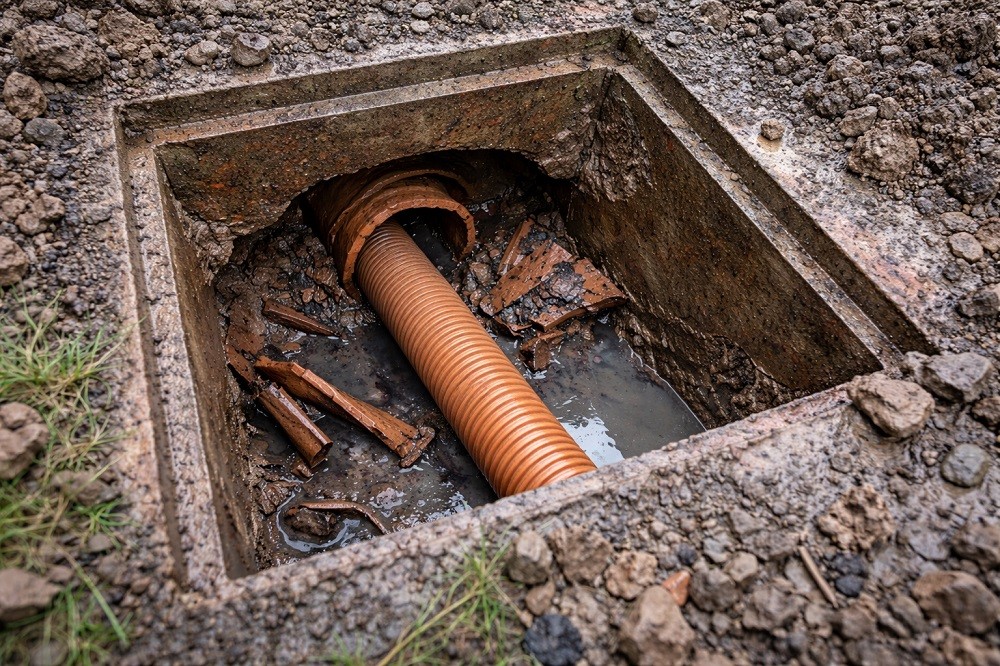
Drain issues are never convenient, but when the problem goes deeper than a basic blockage, the consequences can be far more severe. A collapsed drain disrupts more than plumbing; it can damage structures, raise health concerns, and cause ongoing flooding or standing water. Recognising the early warning signs can help prevent costly repairs and limit property damage.
Why Drains Collapse in the First Place
Collapsed drains are typically the result of wear, pressure, or disruption beneath the ground. They often go unnoticed until symptoms start appearing at the surface.
Ageing Pipe Materials
Older homes are especially vulnerable. Pipes made from clay or pitch fibre degrade over time, losing structural integrity. Once compromised, sections can buckle or break entirely under the pressure of soil or foot traffic above.
Tree Root Intrusion
Tree roots are persistent. If there’s even a small crack in the pipework, nearby roots will detect moisture and force their way in. As roots grow, they displace joints, obstruct water flow, and eventually crush the pipe.
Ground Movement and Subsoil Erosion
Natural ground shifts often from prolonged rain, nearby construction, or unstable subsoils can cause pipes to sag or break. If the soil supporting a drain washes away, it leaves the pipe unsupported, increasing the risk of collapse.
Poor Installation or Workmanship
In some cases, the issue starts from day one. If pipework is poorly laid, unsupported, or made from substandard materials, it’s only a matter of time before structural failure occurs.
Common Early Warning Signs of a Collapsed Drain
The earlier the signs are spotted, the easier the repair. Many collapsed drains begin with subtle indicators that are easy to overlook until the problem escalates.
Persistent Foul Smells from Drains
Unpleasant odours lingering near kitchen sinks, bathrooms, or external gullies may suggest stagnant water or trapped waste. If these smells continue after cleaning, there may be a hidden structural issue in the drainage system.
Gurgling Noises or Slow Drainage
Odd sounds during flushing or when water drains indicate trapped air is a common side effect of water meeting an obstruction underground. If sinks, showers, or toilets start draining slowly without an obvious blockage, the damage could be more extensive.
Localised Damp or Mould on Walls
If a collapsed drain sits close to the property, leaking water can seep into the foundations or walls. This leads to damp patches, peeling paint, or the musty smell of mould all signs that water is somewhere it shouldn’t be.
Sinkholes, Soft Ground, or Cracks in Driveways
A drain collapse can displace surrounding soil, creating dips in lawns or car parks. Cracks in paving or an unexplained soft patch of ground may point to soil erosion below caused by leaking or burst drainage pipes.
Frequent Toilet Backups or Overflowing Gulleys
When wastewater has nowhere to go, it will find the nearest exit point often back up through the lowest drain. Recurring backups, particularly during rainfall, are strong indicators that a section of the pipe has failed entirely.
Misdiagnosed Symptoms That Delay Repair
Not every drainage issue is immediately recognised as serious. Misinterpreting the signs often delays action, making the eventual repair more disruptive and expensive.

When Blockages Are Treated as Isolated Incidents
It’s common to treat recurring blockages as individual events clearing them with rods or chemicals without investigating the root cause. If the same area keeps backing up, or clearing it doesn’t last long, it’s worth considering a deeper issue in the pipe structure.
Signs Blamed on Weather or Plumbing Fixtures
Overflowing drains during heavy rain may be blamed on surface water or poor soakaways. However, if the drainage system is compromised, even moderate rainfall can overwhelm it. Similarly, slow drainage might be blamed on faulty taps or u-bends when the real issue lies underground.
The Risk of Leaving Symptoms Unchecked
A delay in diagnosis often allows the problem to spread. Water can erode foundations, saturate the surrounding soil, and create health hazards. Acting early is always the cheaper and less intrusive option.
How Collapsed Drains Are Diagnosed
Specialist equipment has made drain diagnostics faster and more accurate than ever.
CCTV Drain Surveys Explained
Drain engineers use small waterproof cameras inserted into the pipe to get a clear view of its internal condition. These real-time images allow for precise detection of damage, cracks, and blockages all without the need for excavation.
What Engineers Look For
The camera feed can reveal collapsed sections, displaced joints, root ingress, or even foreign objects. Engineers look for anything disrupting the smooth flow of water or indicating structural failure. They may also measure pipe diameter and gradient to spot sags or dips.
How Fast Can a Collapsed Drain Be Identified?
In most cases, a full CCTV survey takes under an hour. Results are immediate, and many contractors provide video footage and a written report as part of the service.
Drain Repair Options Available
Once a collapsed drain is confirmed, the next step is choosing the right method of repair.
Excavation vs No-Dig Repairs
Excavation involves digging up the damaged section and replacing it. This is effective but can be disruptive. No-dig repairs, like pipe relining, insert a resin-based liner inside the existing pipe, creating a new sealed layer. It’s faster and cleaner but only works if the structure is still mostly intact.
When Is a Full Replacement Necessary?
If the pipe is heavily fragmented, misaligned, or suffering multiple failures, a full replacement may be required. This often applies in older properties where several sections have failed over time.
Temporary Fixes That Don’t Last
Quick fixes like patch repairs may seem cost-effective but often fail under pressure. If the underlying issue isn’t addressed like ground movement or water ingress the problem is likely to return.
Understanding Drain Repair Cost
Repairing a collapsed drain doesn’t come with a one-size-fits-all price. Several variables influence the final figure, from the method used to the extent of the damage.
What Affects the Final Cost?
Costs depend on access, the depth of the pipe, the method chosen, and the condition of the surrounding ground. Urban repairs may need traffic management, while rural jobs could involve digging through compacted soil. Additional factors include pipe material, length of affected section, and any structural damage caused.
Fixed Pricing vs Estimates
Some drainage companies offer fixed prices for common services, particularly when the problem is quickly identifiable. However, where extensive excavation or multiple repairs are required, only an estimate can be provided. A detailed quote following a CCTV survey is the most reliable approach.
How to Avoid Hidden Charges
Look for transparency in pricing. Quotes should include VAT, equipment use, labour, and disposal fees. Be wary of vague or open-ended estimates. A trusted contractor will outline every cost involved in the drain repair cost and process.
Regional Services: What to Expect from Local Teams
Local knowledge can make a difference not just in navigating the ground, but in understanding how location-specific factors affect drainage systems.
Drain Repair Liverpool: Urban Property Challenges
Liverpool’s older housing stock and network of narrow access roads can complicate repairs. Many Victorian-era homes still rely on aged clay pipes, and repairs often require careful excavation in tight, paved spaces. Drain repair Liverpool services usually involve coordination with local authorities when work affects public footpaths or roads.
Drain Repairs Southport: Sand-Based Soil and Weather Risks
Properties in Southport face unique challenges. Sandy soil makes the ground more prone to movement, especially during wet seasons. This can lead to increased pressure on pipe joints and higher risk of displacement or collapse. Drain repairs Southport teams often factor in local geology when planning works to ensure long-term stability.
Why Local Experience Matters
Local teams tend to be familiar with common pipe materials, historical drainage layouts, and planning restrictions. This allows them to diagnose problems faster and reduce unnecessary delays. Access to nearby depots also means faster response times in emergencies.
Final Thoughts: Spotting the Signs Early Saves Time and Money
Collapsed drains are one of those problems best caught early. What begins as a minor issue a gurgle here, a bit of damp there can quickly escalate if left unaddressed. With modern diagnostics and a range of repair options available, no property owner needs to wait for things to get worse. Recognising the early signs, and knowing when to seek expert help, can avoid structural damage and keep repair costs manageable.