
No Comments
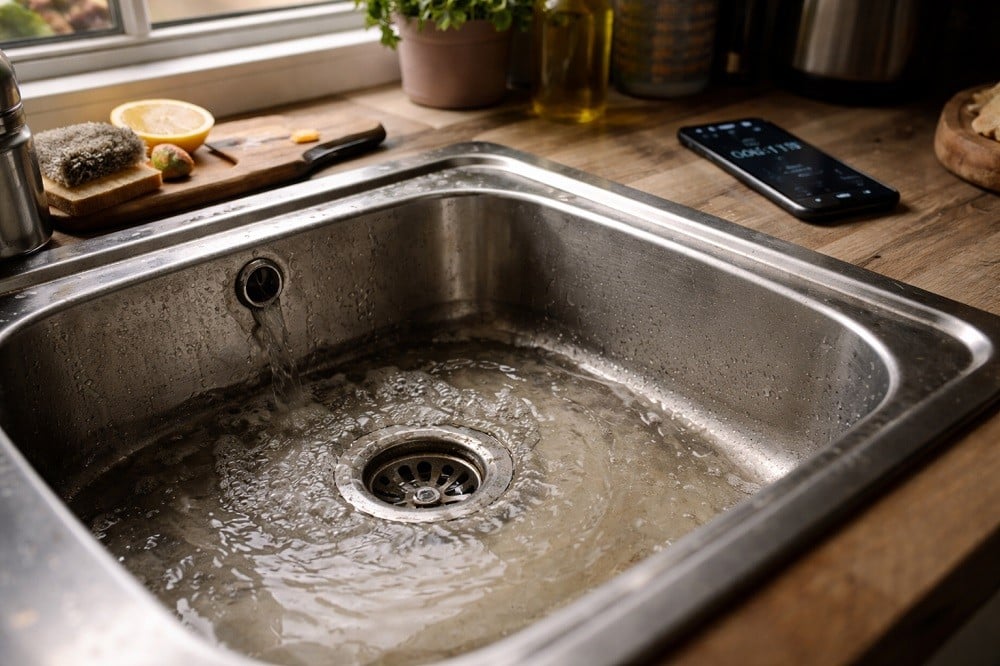
Over the last few years, drainage engineers have seen a sharp increase in cases where the blockage lies far deeper than expected. In many homes, particularly those with extended pipe networks or older drainage systems, the problem isn’t near the sink or toilet. It’s buried somewhere further down often beneath concrete, paving or garden space making it much harder to detect and fix.
Part of the issue stems from recent changes in kitchen habits. High fat meals and grease heavy cooking continue to dominate household routines. When fats are rinsed down sinks, they cool and solidify, sticking to the inner walls of pipes. Over time, this build up extends deeper into the system.
Urban development also plays a role. With more households connected to the same mains, particularly in cities like Liverpool, local networks face higher demand. The pressure can expose weaknesses, especially in older homes where clay or cast iron pipes weren’t designed to cope with today’s waste volumes.
Common Signs of a Clogged Drain Deep in the Pipe
Homeowners often miss early indicators. When only one sink drains slowly, the issue is usually close to the surface. But if the kitchen, bathroom and utility room all struggle at once, it suggests a deeper problem.
Odours are another giveaway. If smells linger, even after cleaning plugholes and U-bends, the cause may be much further down. This often applies to kitchen drains where rotting debris collects unseen.
A less obvious clue is the gurgling sound. This occurs when air becomes trapped by a partial blockage and is forced back toward the property. The sound usually comes from plugholes or the toilet, particularly after using larger appliances like dishwashers or washing machines.
Outdoor drains should also be checked. Overflowing gulleys or damp patches near inspection chambers are warning signs that the water has nowhere to go. When these are left, the build up can cause wastewater to back up into the home.
Why Traditional Methods Don’t Work
Homeowners typically reach for drain cleaner or a plunger, sensible starting points for shallow problems. However, a clogged drain deep in the pipe doesn’t usually shift with surface level tools.
Chemical cleaners break down some organic matter, but they struggle with compacted grease, wet wipes or sediment lodged further along the system. Worse, overuse can corrode the pipes, weakening them and creating new problems.
Plungers and drain snakes also have their limits. While they can help dislodge a localised blockage, they’re unlikely to reach or break up deeper debris. There’s also a risk of pushing the obstruction further, making professional access more difficult.
When unblocking a drain involves excavation or internal access, guesswork won’t do. Accurate diagnosis is essential and that’s where specialist equipment comes in.
How to Clean Drain Pipes Safely and Effectively
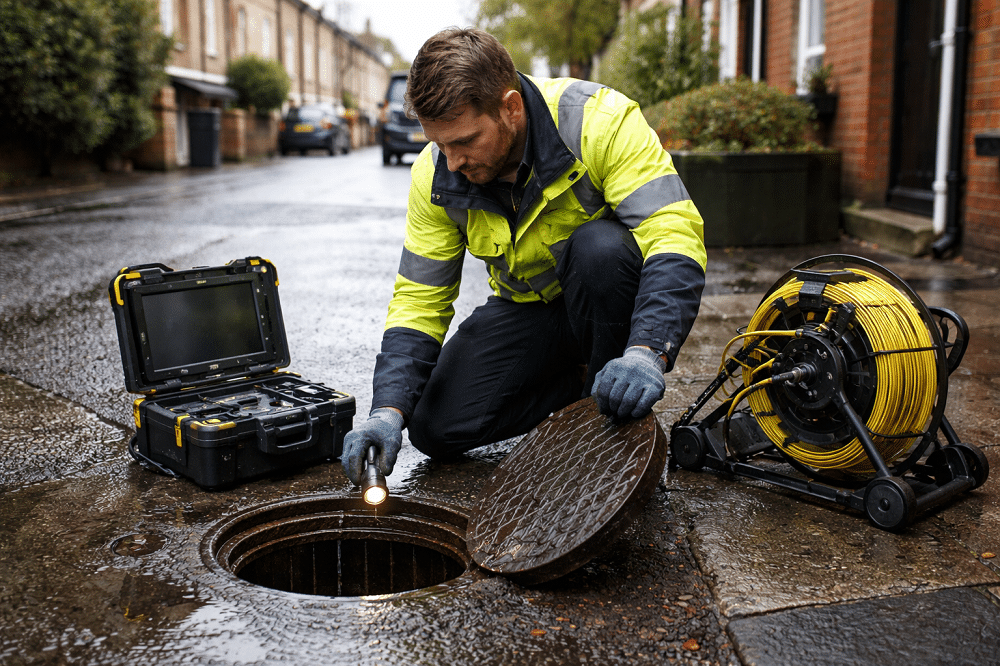
Professional drain cleaning goes far beyond what’s possible with household tools. For deeper blockages, drain jetting is often the first line of defence. This method uses high pressure water to break up and flush out compacted waste. When handled correctly, it clears fat, soap scum and even minor root intrusion without damaging the pipework.
Still, jetting isn’t always appropriate. If the blockage is caused by structural damage or if access is limited by pipe bends or collapsed sections, forcing water through can make things worse.
In these cases, a CCTV drain survey is essential. A small, waterproof camera is sent into the system, offering a live feed of the pipe’s condition. This helps locate the blockage, assess its cause and guide the best approach for removal. It can also identify damage that might need repair, such as cracked joints or displaced segments.
Specialist tools like mechanical cutters, root saws and flexible augers are often required. These are tailored to remove tree roots, hardened debris or foreign objects without compromising the integrity of the pipe. For blockages in narrow or fragile piping, soft washing or rodding might be used instead.
Drainage engineers working in tight urban areas or older properties need to adapt their methods, especially when working around listed buildings, shared systems or shallow pipework near foundations.
Read More: How to Clean Drain Pipes
Real Costs of Ignoring Deep Blockages
It’s easy to postpone action when the signs aren’t yet disruptive, but delays can get expensive. One of the most common outcomes of ignoring a deep clog is pressure build-up, which can lead to cracked or burst pipes particularly in older systems. This kind of damage isn’t always visible at first, but over time it can cause damp walls, floor swelling or even subsidence in extreme cases.
When wastewater starts backing up into sinks, baths or toilets, it’s often at the point of full system failure. At that stage, emergency call outs become unavoidable, especially in households with no alternative sanitation. Costs can spike quickly, particularly if excavation is required.
Many homeowners also face hidden repair fees that extend beyond the drainage work. These include retiling, replacing flooring or redecorating after internal leaks. In some cases, insurers may reject claims if routine maintenance was neglected.
Spotting the issue early and investing in proper diagnosis often prevents these secondary expenses. It also ensures the blockage is resolved fully, without temporary fixes or repeat visits.
Local Issues: Blocked Toilet Liverpool and Drain Unblocking Liverpool
In Liverpool, blocked toilets in Liverpool are a frequent call-out issue, especially in terraced houses and converted flats. These properties often feature shared drainage lines or outdated Victorian pipework. When one household flushes wipes or kitchen waste incorrectly, it can affect several neighbours.
Older systems lack modern design features that help prevent build-up. Where homes in newer estates benefit from smoother PVC pipework and straighter runs, many Merseyside properties still rely on clay or iron systems with multiple junctions and narrow diameters. These can trap debris more easily and are harder to access without specialist knowledge.
Drain unblocking in Liverpool often requires more than technical skill; it needs local understanding. Many residential areas have unique layouts where access covers are hidden or where work must be coordinated with neighbours. Engineers familiar with the area are better equipped to manage these constraints while avoiding disruption.
Preventing Future Deep Drain Clogs
Avoiding another clogged drain deep in the pipe starts with better household habits. One of the most important rules is keeping grease and fat out of the kitchen sink. These substances harden quickly once cooled and cling to pipe interiors, forming sticky layers that trap food particles and debris. Instead of rinsing them away, they should be collected in a heatproof container and disposed of with household waste.
Bathroom drains also require attention. Hair, cotton buds, wet wipes and sanitary products are all common contributors to deeper clogs. Even those marked as ‘flushable’ can accumulate and cause long term issues, particularly in older systems.
Regular maintenance can significantly reduce the risk of blockages. Monthly flushing with hot water and bicarbonate of soda can help keep waste from solidifying. Some professionals recommend an annual CCTV survey, especially in properties with a history of issues or in shared accommodation where usage is high.
Early warning signs shouldn’t be ignored. If gurgling noises return or if water takes longer to drain than usual, it’s best to investigate before the problem worsens. Local drainage teams can often assess the system without the need for excavation, using inspection covers and remote cameras to detect build-up.
For those living in areas with a high risk of external intrusion, such as properties near mature trees, installing root barriers or scheduling preventative cutting may be worthwhile. Roots can enter pipework through tiny cracks or joints, gradually widening the damage. Once inside, they act like nets, catching debris and encouraging further build-up.
Final Thoughts
A clogged drain deep in the pipe isn’t just a nuisance it’s a potential hazard for homeowners if left untreated. Shallow blockages might offer quick wins with household solutions, but deeper issues require professional attention.
Whether it’s a persistent odour, an overflowing outdoor drain, or the tell tale gurgle that won’t go away, recognising the signs early can save money, disruption and damage. With the right approach, tools and awareness, deeper blockages don’t have to become a recurring problem.
For those in areas like Liverpool, where older systems and dense housing add complexity, seeking local drainage expertise remains the best course of action. Whether facing a blocked toilet or scheduling routine drain unblocking, timely response and accurate diagnosis are key to keeping things flowing.