
No Comments
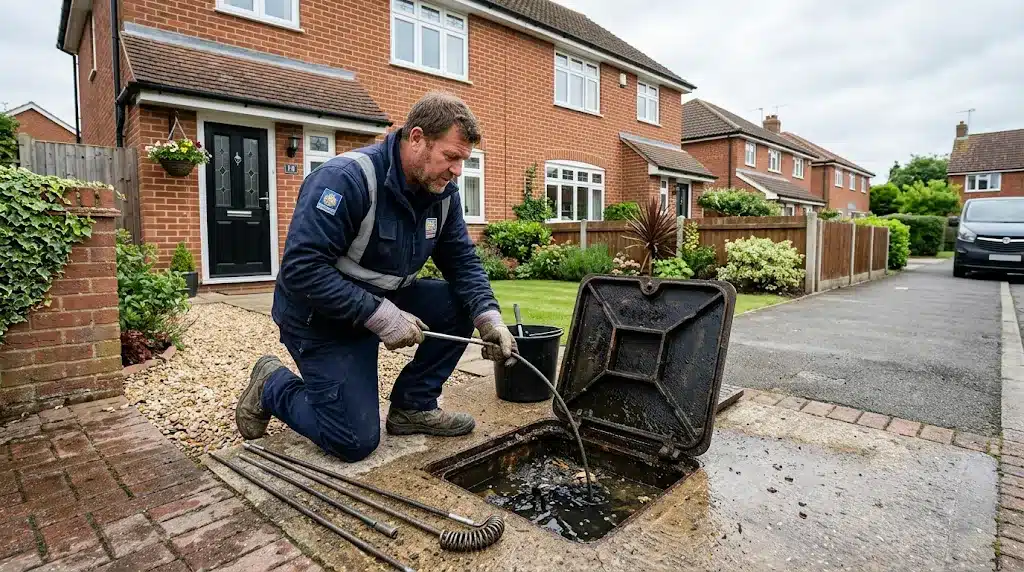
Have you ever cleared a blocked drain, only for the same problem to return a few days or weeks later? It can be frustrating to deal with the same issue repeatedly, especially when your sink drains slowly, your toilet struggles to flush, or unpleasant smells start coming from your pipes.
Recurring drain blockages often mean that something inside the drainage system has not been fully fixed. While removing the blockage may restore water flow, it does not always solve the reason it happened in the first place.
The advantage of identifying the cause is that it can stop similar issues from occurring in the future. Once you have a qualified person inspect and repair the issue with the drains, they will be back in full working order. In this article, Mersey Rod will explain to you why some drains are continually being blocked, how to find the root cause, and what you can do to prevent it from happening again.
What Causes Drains to Block Repeatedly in One Location?
A repeating blockage in a drain typically indicates that debris is accumulating in one specific location within the drain line. The reason for this can be due to a broken drain line, excessive grease accumulation, root intrusion, or improper installation of the drain system.
For example, imagine a small dip in an underground pipe where water collects instead of flowing away. Over time, dirt, grease and other waste can settle in this area. Even after a professional clears the blockage, the same waste may collect again.
This is why repeated drain blockages should not be ignored. Clearing the drain may solve the immediate problem, but understanding what causes it is the best way to find a lasting solution.
6 Common Causes of Recurring Drain Blockages
Understanding the possible causes can help you decide when your drainage system needs a closer inspection.
Grease, Fat and Everyday Waste
Cooking oil, fat and grease can stick to the inside of kitchen drain pipes. When these substances cool, they become thicker and may trap food scraps and other waste.
Hair, soap residue, wet wipes and sanitary products can also cause blockages when they enter the wrong drains. Over time, these materials may collect around bends or narrow sections of pipe, slowing down the flow of water.
Removing the waste may clear the drain temporarily, but the blockage can return if the pipe still contains grease or other deposits.
Avoid pouring cooking oil down the sink, and only flush toilet paper and human waste down the toilet. These simple habits can help reduce some of the most common drainage problems.
Tree Root Intrusion
Tree roots naturally grow towards moisture. If an underground drain has a crack or a loose joint, small roots may enter through the opening. Once inside, the roots can continue growing and trap toilet paper, grease and other waste. This gradually restricts the flow of water and can lead to frequent blockages.
Tree root intrusion is particularly important to investigate when the same underground drain keeps blocking, especially if trees or large shrubs are nearby. Cutting away the roots may restore water flow, but it may not prevent them from growing back if the damaged pipe remains unrepaired. A CCTV inspection can help locate the affected section and determine whether further repairs are needed.
Cracked, Damaged or Collapsed Pipes
Underground piping is prone to deterioration over time, due to factors such as settlement, high pressures, normal wear and tear, and so on. A single crack can lead to root entry into the pipe system, as well as waste buildup at the site of damage. If the damage is severe enough, the pipe itself could collapse, resulting in reduced flow capacity for both water and waste materials. As mentioned above, many of these types of issues do not appear visually on the outside of your home. Instead, they typically produce visual signs like slow drainage, smelly drains, or frequent blockages in the system.
A professional inspection can help identify the damage and determine whether the pipe needs a local repair, relining or replacement.
Poorly Installed Drain Pipes
Sometimes, the problem begins when the drainage system is first installed. Poorly installed drain pipes may have incorrect angles, loose joints, or sections that are not properly aligned. Drainage pipes need the right slope to allow water and waste to flow away efficiently.
If a pipe is too flat or has a low section, water may collect instead of draining away. Solid waste can then settle in that area and create a blockage.
This is one of the possible causes of recurring drain problems that cannot be solved by simply removing the waste. The pipe itself may need to be inspected to understand why the blockage keeps forming.
Limescale and Other Deposits
In some drainage systems, mineral deposits can build up on the inside of pipes. Grease, dirt and other materials may also collect on these rough surfaces. As the deposits grow, they reduce the space available for water to flow through. Waste can then become trapped more easily, leading to another blockage.
Professional drain cleaning or high-pressure water jetting may help remove suitable deposits and restore flow. However, the right method depends on the pipe material, its condition and the type of blockage.
A Problem Further Down the Drain
Sometimes, the drain you notice blocking is not where the original problem begins.
For example, a blockage further along a shared or underground drainage line may prevent water from flowing away properly. This can cause water to back up into a sink, toilet or outdoor drain. If several fixtures are draining slowly at the same time, the problem may affect a larger section of the drainage system.
A professional assessment can help locate the restriction and determine whether it is inside your property’s pipework or further along the drainage network.
How Can You Identify the Cause of a Recurring Blockage?
Finding the cause is an important step towards stopping the problem from returning. Instead of guessing, look for signs that may help explain what is happening.
Check to determine what time of day your blockage is occurring. If you have been having trouble with your kitchen sink being blocked after preparing meals, then grease and other food waste are likely causing the problem. If more than one of your household drains are not operating correctly at the same time, then you probably have a blockage somewhere down the line. Watch for indications that something could be wrong. Water that drains slowly, gurgling noises from the drains, foul odours, and water backing up through an outlet are all indicators that you could be experiencing some type of drainage issue. Although none of these indicators will provide you with the exact reason why you are experiencing problems with your drains, they can provide a drainage specialist with some clues as to where to begin looking for the source of your issues.
Consider previous repairs. If the same drain has been cleared several times, tell the engineer what work has already been carried out. This information may help them identify a problem that has not been fully resolved.
Arrange a professional inspection. When the cause is hidden underground, a visual check may not be enough. This is where a CCTV drain survey can be useful.
CCTV Drain Survey for Recurring Blockages
A specialist camera is used in a CCTV drain survey to view the interior of the accessible drainage pipe. Images are then sent from the camera to the engineer, who will assess if there are any visible signs of damage, obstruction or accumulation of waste.
A CCTV drain survey for recurring blockages can help identify issues such as:
- Cracked or damaged pipes.
- Tree roots growing inside the drainage system.
- Displaced joints and misaligned pipe sections.
- Heavy grease, scale or debris build-up.
- Areas where water appears to collect.
- Signs of a partially collapsed pipe.
One benefit of using CCTV for surveying drains is that the cameras used to survey the drains can help pinpoint the exact location of the problem, so you do not have to dig up your garden, driveway, etc., prior to finding the issue. However, the camera used to survey the drain may require clearing of the blockage prior to being able to view the inside of the drain. Debris, such as rocks and soil, can make viewing through the camera difficult and standing water can also obscure views. Additionally, some portions of the damaged section of the drain may be hard to reach.
At Mersey Rod, CCTV drain surveys help identify drainage issues across Liverpool, Wirral and Warrington. The findings can help the engineer explain the problem and recommend suitable next steps.
How to Stop Drains Blocking Repeatedly
Knowing how to stop drains blocking repeatedly starts with understanding what is causing the problem. Once the underlying issue has been identified, you can take steps to reduce the chance of another blockage.
Here are some practical measures that can help:
- Dispose of grease correctly: Allow cooking fat and oil to cool before putting them in a suitable container for disposal. Avoid pouring them down the sink.
- Keep unsuitable items out of toilets: Do not flush wet wipes, sanitary products, cotton buds or other rubbish.
- Use drain covers: Fit suitable covers over shower and bath drains to catch hair before it enters the pipe.
- Arrange professional drain cleaning: If grease, scale or other deposits keep building up, professional cleaning may help restore the pipe’s internal space.
- Repair damaged pipes: If the problem comes from cracks, displaced joints or tree roots, the affected section may need to be repaired rather than cleared repeatedly.
- Investigate persistent problems: If the blockage keeps returning, consider a CCTV survey to help identify the cause.
Remember that these steps can reduce the risk of future blockages, but they cannot correct every drainage fault. Structural problems and installation issues need a suitable repair.
When Should You Call a Drain Unblocking Company?
A simple blockage may sometimes be cleared using a suitable household plunger. However, if the problem keeps returning, affects several drains or causes wastewater to back up, it is best to seek professional help. A reliable drain unblocker company can assess the symptoms, clear the blockage using suitable equipment and advise whether further investigation is needed.
If you’re having trouble with your drain system, such as a clogged drain, need to clean out a clogged drain, require a high-pressure water spray to clear debris from a clogged drain, require a visual inspection of your drain system using closed-circuit television, or require repair work to a damaged drain system, Mersey Rod can assist with all these needs. Engineers at Mersey Rod will assess both domestic and commercial drainage systems throughout the areas of Liverpool, Wirral and Warrington. When you are looking for professional assistance regarding the need for drain unblocking in Wirral, professionals will be able to determine if the cause of the problem is due to an obstruction, a buildup of waste material, or a structural defect within the piping.
Mersey Rod also offers emergency drainage assistance, with service information and contact details available on its website. Where a repair is required, the appropriate solution will depend on the condition of the pipe and the findings of the inspection.
Get to the Root of Recurring Drain Problems with Mersey Rod
When a drain keeps blocking in the same place, repeatedly clearing it may not be enough. The problem could be caused by grease, tree roots, damaged pipes, poor installation or a restriction further along the drainage system.
Identifying the underlying cause helps you choose the right solution and avoid unnecessary repeat callouts. A CCTV drain survey can provide a clearer picture of what is happening inside the pipe, while professional cleaning and repairs can help address the problem.
Mersey Rod provides drainage services across Liverpool, Wirral and Warrington, helping homeowners and businesses deal with blocked drains, recurring drainage issues and damaged pipework.
If your drain keeps blocking, contact Mersey Rod to discuss the problem and find out which drainage service may be suitable for your property.
Frequently Asked Questions
Why does my drain keep blocking in the same place?
A drain may keep blocking in the same place because waste collects around a damaged pipe, displaced joint, tree roots, grease deposits or a low section where water gathers. Clearing the blockage may restore flow, but the underlying cause may still need attention.
Can recurring drain blockages damage my property?
They can. Severe or persistent blockages may cause wastewater to back up, create unpleasant smells and, in some cases, contribute to leaks or water damage. Prompt investigation can help reduce the risk of further problems.
Is a CCTV drain survey worth it for repeated blockages?
A CCTV drain survey can be useful when the same drain keeps blocking, and the cause is unclear. It allows an engineer to inspect accessible pipework for visible damage, root intrusion and waste build-up before recommending suitable action.
Will drain jetting stop a blockage from coming back?
High-pressure water jetting can remove many types of waste and deposits from suitable pipes. However, if the blockage is caused by a damaged pipe, tree roots or poor installation, further repair work may be needed to address the underlying problem.
Who should I contact for recurring blocked drains in Wirral?
If your drains keep blocking in Wirral, you can contact Mersey Rod to discuss the problem. Its drainage services include unblocking, cleaning, CCTV surveys and repairs, depending on what the inspection shows.